

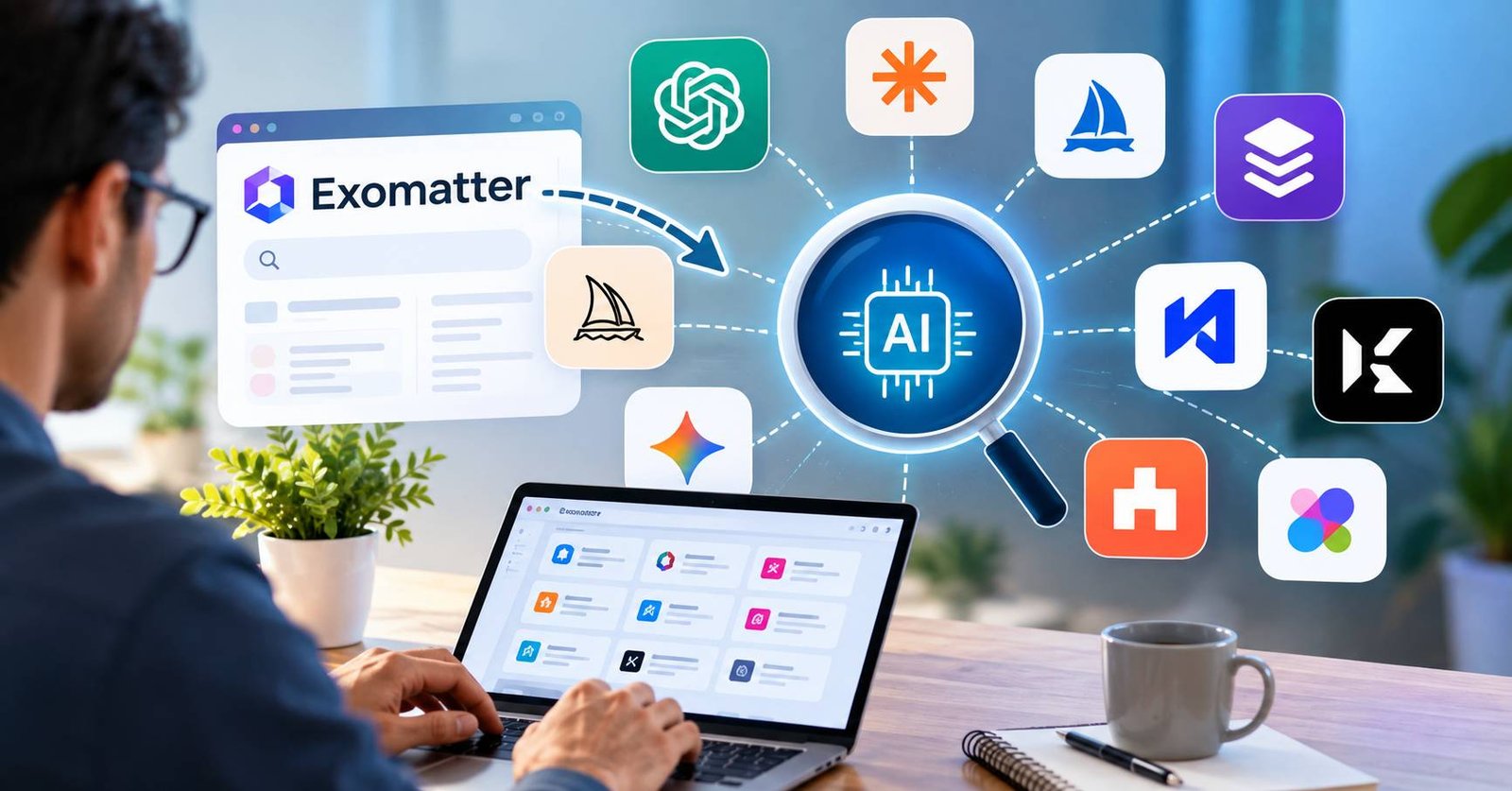
If Exomatter didn’t have what you needed, or the listings felt thin once you actually dug in, you’re probably wondering where else to look. AI tool discovery has become its own small industry, and the platforms doing it range from broad marketplaces to narrow, industry-specific directories.
Picking the right one depends less on which platform is “best” overall and more on what kind of buying decision you’re actually trying to make. Here are ten alternatives worth knowing about, organized by what they’re actually good for rather than just listed in order.
Start by Knowing What Kind of Platform You Need
Before comparing individual sites, it helps to understand that not all AI discovery platforms serve the same purpose. Some are marketplaces: curated, filterable, often with verified reviews and pricing detail. Others are directories, essentially large indexes with tools sorted by category but little else in the way of quality control. A directory might return hundreds of results for “AI customer service tools,” but sorting through them without proper filters can take longer than just asking a colleague what they use.
The distinction is covered in more depth in AI Tools Marketplace vs AI Tool Directory, and it’s worth reading before you commit time to any one platform on this list.
1. Regional Marketplaces Built for US Buyers
Global platforms sometimes list tools that aren’t actually available, priced, or supported in the US market, which wastes time once you get to the pricing page. A marketplace built specifically around US businesses tends to filter that noise out. The AI Tools Marketplace USA is one example, organized around listings that are relevant and accessible to companies operating domestically rather than a catalog pulled from a global database.
2. Industry-Specific Tool Directories
If your business operates in a specialized field like construction, legal services, or healthcare, general marketplaces often miss the tools that matter most. Industry-specific directories are smaller by design, but what they list has usually already been filtered for relevance to that sector. You’ll trade breadth for precision, which is a fair trade if you already know your use case.
3. Review-Based Comparison Sites
Platforms centered on collecting verified user reviews, similar to how software review sites work in other categories, are worth checking even after you’ve found a tool through another source. Reviews from actual business users tend to surface the things a vendor’s sales page won’t mention, like a support team that’s slow to respond or an onboarding process that takes longer than advertised.
4. Side-by-Side Vendor Comparison Tools
Once you’ve narrowed your options to two or three finalists, a platform built specifically for direct comparisons can be more useful than another round of general browsing. These tools typically lay out pricing tiers, integration options, and data policies next to each other, which makes tradeoffs easier to see than reading through separate vendor pages one at a time.
5. Location Intelligence and Analytics Platforms
Not every business gap is a general “AI tool” problem. If what you actually need is foot traffic data or location analytics, it makes more sense to look at platforms built for that specific niche rather than searching a broad AI marketplace and hoping something relevant turns up. The Placer.ai Alternatives guide covers several options built specifically around that use case.
6. Community-Driven Marketplaces
Some platforms rely on user ratings and community activity rather than editorial curation. The quality bar varies more here, but an active community tends to surface new tools faster, often within weeks of launch, since users post about what they’re trying long before an editorial team would catalog it. This approach works well if staying current matters more to you than having every listing vetted.
7. Enterprise Platforms With Dedicated AI Sections
Larger enterprise software marketplaces have started building out AI-specific sections within their existing platforms. These tend to favour established vendors with formal security documentation and compliance credentials, which matters if your business has a procurement process that requires sign-off before any new tool gets adopted. Smaller AI startups are less likely to appear here simply because they haven’t gone through that vetting yet.
8. Consultant and Agency Curated Lists
Independent consultants who work hands-on with AI tools sometimes publish their own recommendations based on client implementations rather than vendor submissions. These lists can be genuinely useful because they come from people who’ve actually used the tools under real conditions, not just catalogued their features. Check the publish date, though. A list from two years ago may no longer reflect what a tool actually does today.
9. Function-Specific Marketplaces
Rather than searching broadly, some businesses find it faster to go directly to a marketplace built around a single function, like sales enablement, HR automation, or marketing analytics. These platforms won’t cover AI tools generally, but within their one category the listings tend to be deeper and more current than what a general marketplace offers.
10. Platforms That Pair Listings With Buying Guidance
A smaller group of platforms go beyond listings and actually walk you through how to evaluate vendors: what questions to ask, what red flags to watch for, how pricing structures typically work. That structure can save time compared to sorting through a plain directory on your own. Platforms to Find AI Tools is a useful starting point if you want that kind of guided overview before diving into specific vendors.
Matching Platform Choice to Company Size
A small business with no formal procurement process and a mid-sized company with a compliance checklist are going to have different experiences on the same platform. Smaller businesses generally do fine with marketplaces that offer clear filtering and upfront pricing, since decisions can be made quickly without layers of approval. Larger organisations usually need more documentation before committing: security certifications, data handling policies, integration specifics. The breakdown in AI Tools Marketplace for Business goes into how company size should actually shape which platform you prioritise.
Where to Go From Here
None of this requires picking one platform and sticking with it forever. Most businesses end up cross-referencing two or three sources, using one for initial discovery and another to verify reviews or compare pricing before making a final decision. The point isn’t finding a single replacement for Exomatter that does everything.
It’s building a short list of sources that consistently return tools relevant to your actual business, verified by people who’ve used them, at a price that fits your budget. Pick one alternative from this list that addresses whatever gap you ran into, and expand your search from there as your needs get more specific.
Published by iSpark.